Our Mission The Challenge Wildlife Quiz About the Trust Our Approach

India's Land Conservation Trust

Protecting India's wild places.
Permanently.

India is losing its wild places. We work to stop that — permanently, legally, forever. One parcel of land at a time.

Scroll

"India holds 7% of all species on Earth in 2.4% of its land. Almost none of it is permanently protected."

Wild land, once lost, does not come back. We make sure it is never lost in the first place.

5%
India's land
formally protected
vs
30%
UN global target
agreed by 2030
Protected forest
30+ Years of Conservation

We believe wild land is a gift to the future.

Wildlands Trust is one of India's most respected land conservation organisations. We work with landholders, communities, and governments to protect natural ecosystems — ensuring India's biodiversity endures for generations to come.

Our work is permanent. When land enters a stewardship agreement with Wildlands Trust, it is protected for life — through voluntary covenants, conservation agreements, and long-term management plans. No reversal. No loopholes. No compromise.

Our Landscapes →
1,47,000+Total Species
Recorded in India
4Global Biodiversity
Hotspots in India
1,02,718+Animal Species
Alone — 7% of Earth's Fauna
758Species Globally
Threatened in India

India is losing its wild places fast.

India occupies 2.4% of the world's land — yet shelters 7 to 8% of all recorded species on Earth. One of only 17 megadiverse nations. Home to four of the world's 36 biodiversity hotspots. This is not a country that can afford to lose its wild places. Yet that is precisely what is happening.

73%
Decline in monitored global wildlife populations since 1970
WWF Living Planet Report 2024
758
Animal and plant species in India listed as globally threatened by the IUCN Red List
IUCN Red List / Conservation International
5%
Of India's total land area formally classified under protected areas — far below the 30% global target
Wildlife of India, 2023 Protected Area data
14,332 acres
Of Western Ghats forest cover lost in the past decade alone, despite UNESCO World Heritage status
India State of Forest Report 2023, FSI
30%
Of India's wetland area lost since 1970 — habitats critical for the Gharial, Gangetic Dolphin, and hundreds of migratory bird species
ISRO National Wetland Inventory · MoEFCC
50%+
Decline in Gangetic Dolphin population since 1980 — India's national aquatic animal, in its own sacred river
WWF India · Gangetic Dolphin Census 2023

India has 1,022 protected areas — 106 national parks, 573 sanctuaries, 55 tiger reserves. Protection on paper is not protection on the ground. Vast stretches of ecologically critical land — unclassified forests, degraded corridors, privately held farmland adjoining wild areas — carry no legal protection whatsoever. Voluntary stewardship of private land is one of the most underfunded, underused conservation tools in India.

The Wildlife We Protect

The acre is small.
What it protects is not.

National Symbols

We named them our national symbols.
Then we watched them disappear.

India has designated six national animal symbols — a gesture of pride in its extraordinary biodiversity. Every single one is in decline. Some are critically so. The irony is not lost on us.

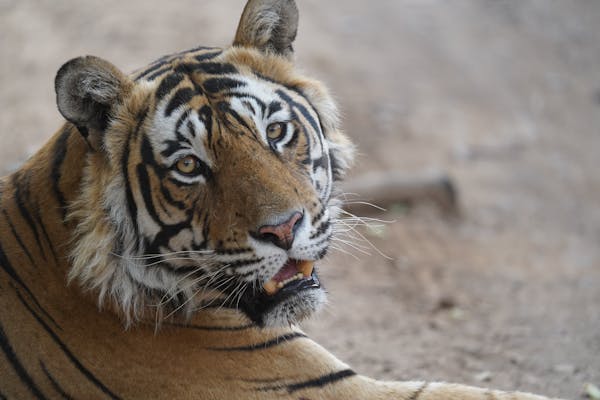
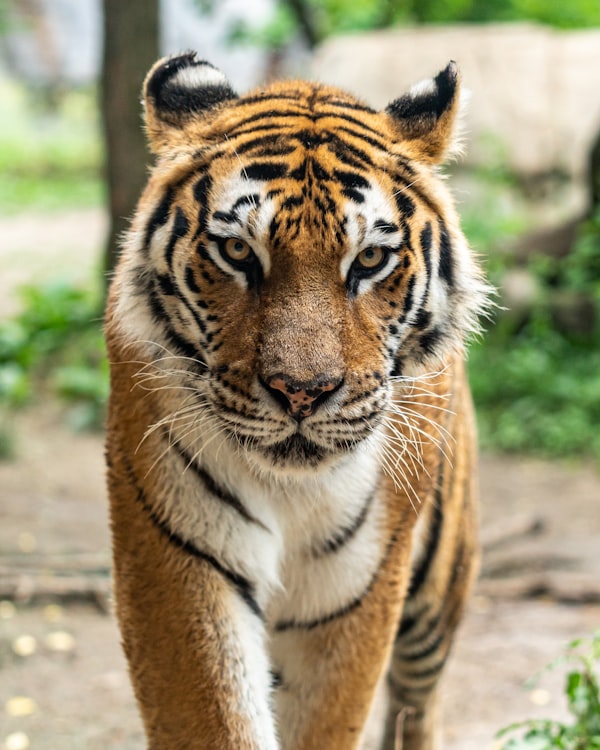
Bengal Tiger
National Animal
Bengal Tiger
Endangered

India holds 75% of the world's wild tigers — 3,682 as of 2022. Yet tigers now occupy less than 7% of their historical range. The corridors connecting reserves are being severed by highways and encroachment. A tiger without a corridor is a tiger in a cage.

Tiger Census 2022 · NTCA · WWF
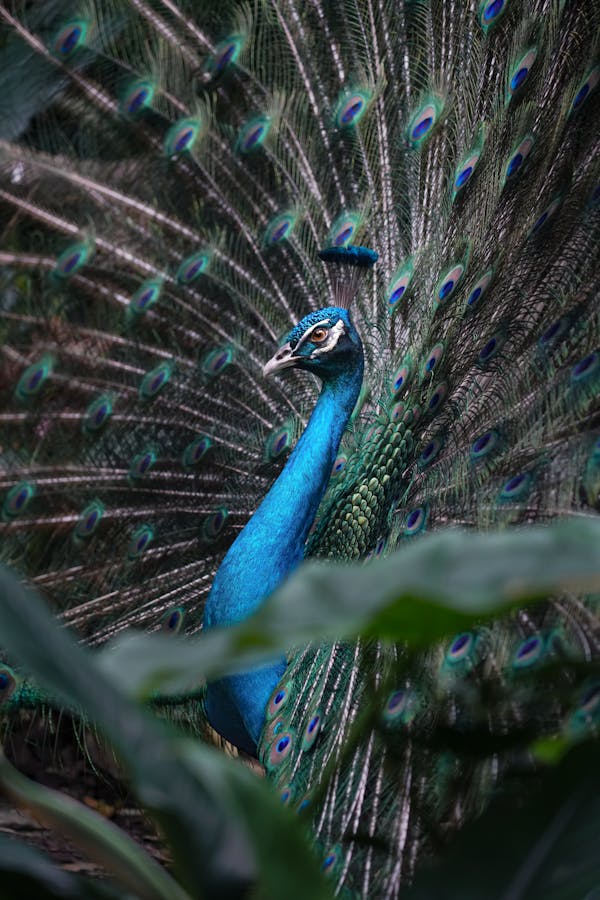
Indian Peacock
National Bird
Indian Peacock
Population Declining

Listed as Least Concern globally, the Peacock is declining sharply outside protected areas. Pesticide accumulation from agricultural land reduces fertility and survival. Agricultural intensification is doing quietly what hunting never could.

Bombay Natural History Society · MoEFCC
Ganges River
Almost never
photographed in the wild
National Aquatic Animal
Gangetic Dolphin
Endangered

Declined by over 50% since 1980. Almost entirely blind, it navigates by sonar in the Ganges — now choked by effluents with near-zero dissolved oxygen. The Ganges, sacred to a billion people, can no longer sustain the animal we chose to symbolise it.

WWF India · Gangetic Dolphin Census 2023
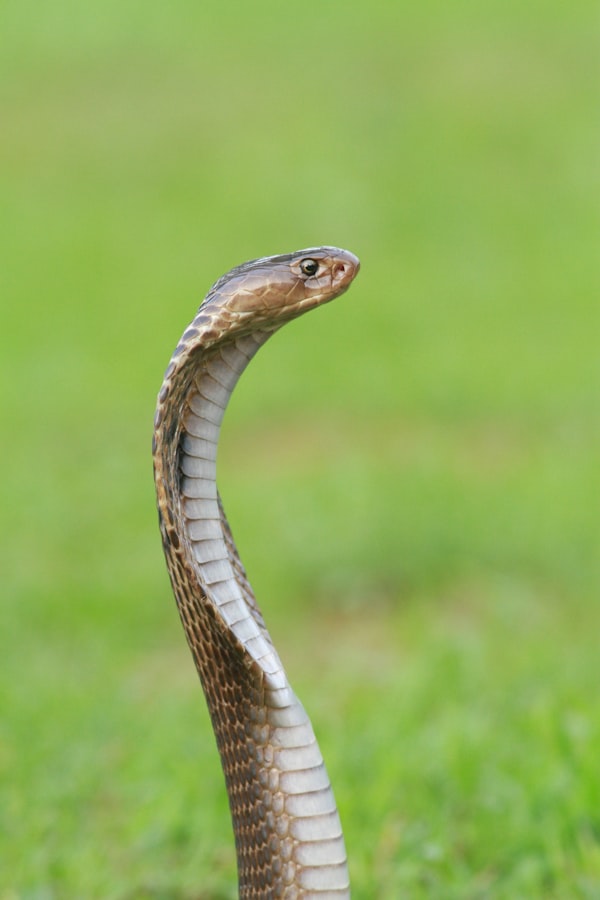
King Cobra
National Reptile
King Cobra
Vulnerable

The world's longest venomous snake is disappearing. Deforestation in the Western Ghats and Northeast India destroys the dense, undisturbed forest it needs to nest and hunt. It also faces illegal collection and retaliatory killing near settlements.

IUCN Red List · Wildlife Trust of India
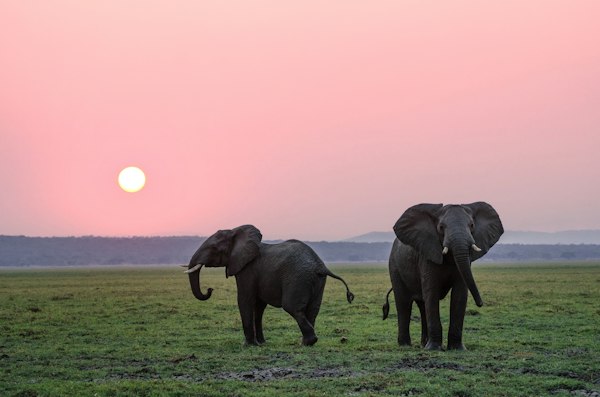
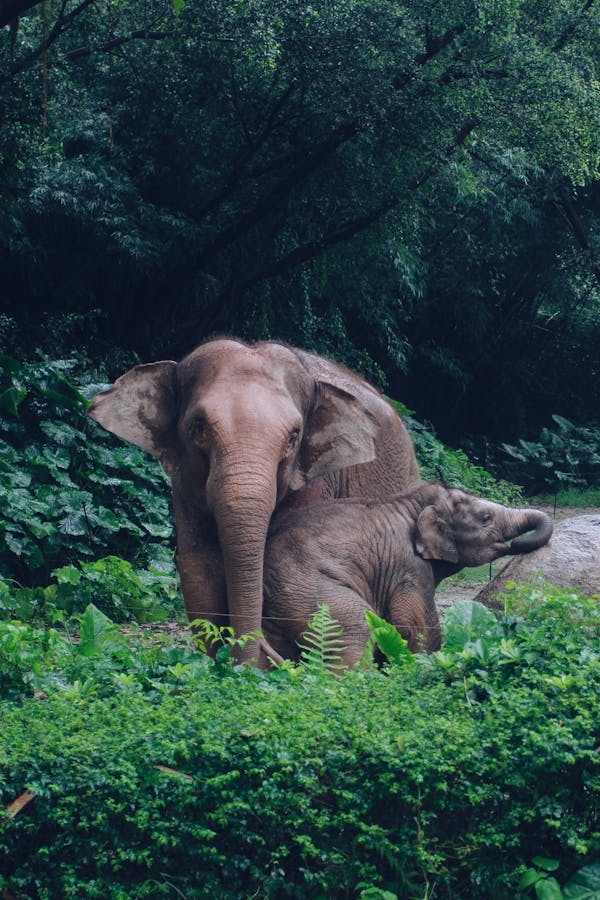
Asian Elephant
National Heritage Animal
Asian Elephant
Endangered

India holds 60% of Asia's wild elephants — 27,000 individuals. Human-elephant conflict now kills ~500 people and 100 elephants every year. They are not invading. The corridors they have used for centuries have been severed. They are lost.

Project Elephant · MoEFCC · WWF 2024

Five animals. Five official symbols of India's natural heritage. Every single one in decline. Designation without habitat protection is ceremony, not conservation.

Three pillars of lasting impact.

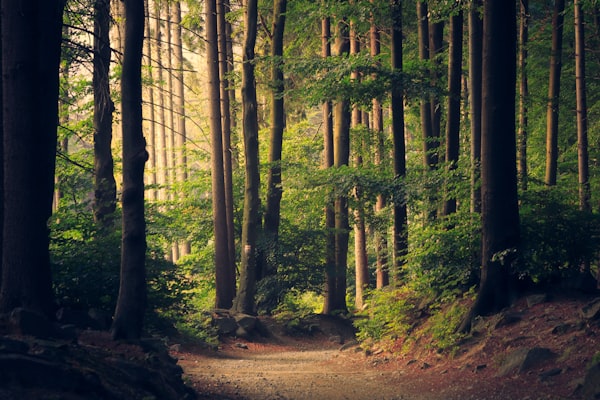
Forest reserve

Buying & Protecting Land

We acquire ecologically significant land and protect it under permanent legal covenants. Every acre is mapped, managed, and monitored indefinitely.

Wildlife

Species Recovery

Targeted programs restore populations of threatened species — from Bengal Florican grassland birds to Malabar Giant Squirrels — using science-led rewilding.

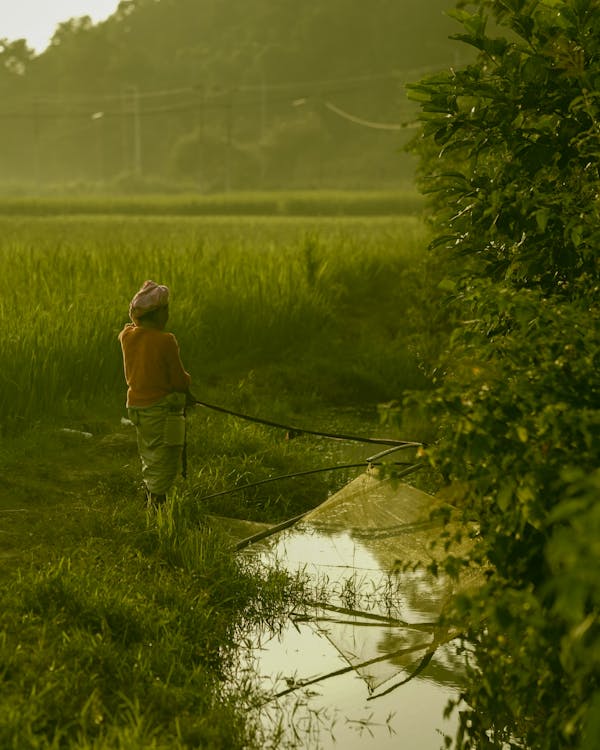
Indian farmer and land

Landholder Partnerships

We work alongside farmers and private landholders to deliver conservation outcomes beyond our reserve boundaries through voluntary stewardship agreements.

India's most irreplaceable wild places.

Western Ghats
Maharashtra · Goa · Karnataka
Western Ghats
UNESCO World Heritage Biodiversity Hotspot
Himalayan foothills
Uttarakhand · Himachal
Himalayan Foothills
Critical corridor for snow leopard & red panda
Deccan grasslands
Maharashtra · Andhra Pradesh
Deccan Grasslands
India's most threatened ecosystem type
Coastal mangroves
West Bengal · Odisha
Coastal Mangroves
Last stronghold of the Bengal Tiger

Your land, conserved forever.

If you own land with ecological value — forest, wetland, grassland, or farmland adjoining natural areas — we can work with you to conserve it permanently. You retain full ownership. We bring the ecological expertise, the legal framework, and the long-term management. No pressure. No transaction.

Every conversation is confidential. Every agreement is permanent. You remain the owner. The land becomes protected forever.

How we work with landholders →
Protected forest land

The work, up close.

Tiger corridor
Camera Trap · Western Ghats

Tiger corridor confirmed at Koyna Reserve

Camera traps along the Koyna–Chandoli corridor have recorded a breeding female and two sub-adults — the first confirmed multi-individual sighting in six years.

March 2026
Elephant herd
Field Survey · Nilgiri Hills

Elephant herd of 23 recorded in new reserve

Our ecologists have documented a herd of 23 Asian Elephants moving through recently acquired land in the Nilgiri buffer zone — confirming its ecological significance.

January 2026
Grassland restoration
Restoration · Deccan Grasslands

620 acres of grassland under active recovery

Following removal of invasive Lantana camara, native grass species are returning faster than all projected timelines across three Deccan reserves.

December 2025
Since January 1, 2026.
Every number below is the cumulative total for this year — calculated from verified annual rates, updated every second.
Acres permanently protected by Wildlands Trust
47,340
Growing steadily — every acre permanently protected
Acres of Indian forest lost — so far this year
0
370,658 acres lost every year · Global Forest Watch
Tonnes of plastic in the world's oceans — so far this year
0
8 million tonnes enter every year · UNEP
Species lost to extinction globally — so far this year
0
~150 species lost every day · IUCN estimate

"The wild places of India are not an inheritance from our ancestors. They are a loan from our children."

— Wildlands Trust founding charter, 1993

The ecosystems we fight to protect.

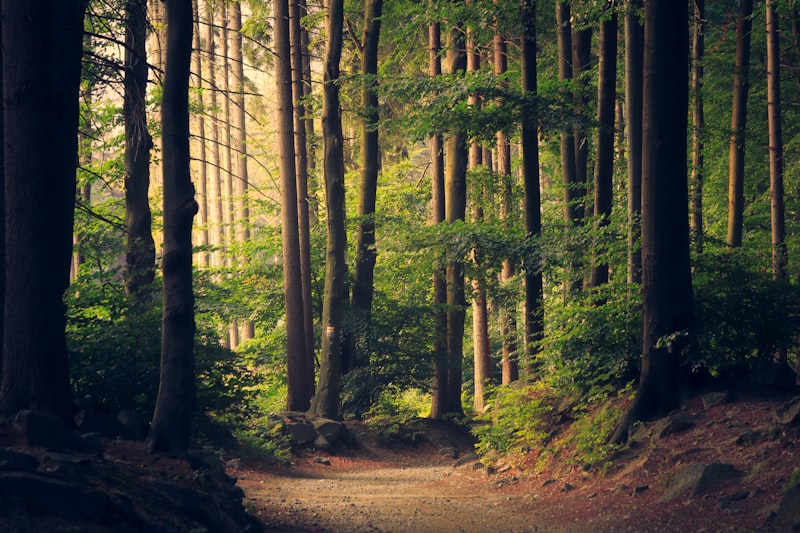
Forests & Corridors

India's tropical forests hold more biodiversity per hectare than almost any ecosystem on Earth. We protect old-growth patches, buffer zones, and the critical corridors that connect them — the passages tigers, elephants, and leopards depend on to survive.

Grasslands & Open Country

India's grasslands are its most endangered and least understood ecosystem — classified as wasteland in government records, yet home to the Great Indian Bustard, Indian Wolf, Blackbuck, and Bengal Florican. We protect them with the same urgency as forests.

Rivers & Wetlands

The land alongside India's rivers is among the most ecologically productive on Earth — and among the most threatened. We protect riparian buffers and freshwater wetlands that harbour the Gharial, Gangetic Dolphin, and hundreds of migratory waterbird species.

Private Land Buffers

The most ecologically significant land in India is often privately held — farmland bordering a tiger reserve, an abandoned plantation reverting to forest, a family holding in a biodiversity hotspot. These parcels are invisible to formal conservation. We are not ignoring them.

Perspectives

Understanding the full picture.

Forest
Deforestation

The Last Forest: What India Stands to Lose by 2100

India holds four of the world's 36 biodiversity hotspots. At 150,000 hectares of forest lost every year, the country is on track to lose the ecological integrity of its most critical landscapes within this century. The Western Ghats has already lost 40% of its cover — what remains exists in fragments too small to sustain tigers, elephants, or leopards.

Species Loss

The Cheetah Lesson: What Extinction Actually Costs

In 1952, India's cheetah was declared extinct — the only large mammal lost from the subcontinent in recorded history. In 2022, India flew 28 replacements from Namibia and South Africa on chartered Boeing 747s. The world's first intercontinental large carnivore relocation. The lesson is not that we can fix extinction. It is that we cannot afford it.

Climate & Wildlife

When the Rain Fails: Drought's Cascade on Indian Wildlife

India's monsoon is the pulse of its wildlife. When it weakens — as it did in 2023, delivering a 6% deficit — Gharial nesting sites disappear, elephant herds push into villages, and tigers lose prey. The monsoon's increasing variability is not just a farming crisis. It is a biodiversity emergency.

Urbanisation

Two Decades of Concrete: How Construction Broke India's Wildlife Corridors

Between 2000 and 2020, India's urban footprint expanded by over 2 million hectares. The construction of highways, dams, and industrial zones has not merely displaced wildlife — it has severed the corridors through which they move, breed, and survive. A tiger needs a territory of 100 square kilometres. A highway through its range is not an inconvenience. It is a biological wall.

Pollution

Dead Waters: India's Rivers and the Species That Cannot Leave

The Gangetic Dolphin has declined by over 50% since 1980. The Gharial survives in just two river systems. Industrial effluents have reduced dissolved oxygen to near zero in critical stretches. Unlike land animals, aquatic species have nowhere to go. A polluted river is not a degraded habitat. It is a dead one.

At This Rate

What happens if nothing changes.

Based on current trajectories from the IUCN, WWF, Forest Survey of India, and peer-reviewed research. These are not predictions. They are warnings.

Forest Loss
India's natural forests could lose a third of their cover by 2100

Global Forest Watch estimates India loses 150,000 hectares of natural forest annually. At this rate, the Western Ghats — already down 14,332 acres in the last decade — faces irreversible fragmentation within two generations. Forest patches become too small to sustain apex predators.

150,000 ha lost per year · GFW 2024
Species Extinction
The cheetah has already gone. Which species is next?

India's cheetah went extinct in 1952. In 2022, India flew 28 replacements from Namibia on Boeing 747s — the world's first intercontinental large carnivore relocation. The cost of letting a species disappear is always greater than the cost of protecting its habitat.

Extinct in India 1952 · Reintroduced from Namibia 2022
Grassland Crisis
India's grasslands — the most ignored, most threatened ecosystem

The Deccan plateau's grasslands are India's least protected and most misunderstood ecosystem. Officially classified as "wasteland" in government records, they have been converted to agriculture, solar farms, and plantations at a rate that makes forest loss look manageable. The Great Indian Bustard has fewer than 150 individuals left.

Great Indian Bustard: under 150 individuals remain · IUCN 2024
Water & Wildlife
Drought is not a weather event. For wildlife, it is a death sentence.

India's 2023 monsoon delivered a 6% deficit. For wildlife, reduced river flows dry up Gharial breeding sites, push elephant herds into villages, and collapse tiger prey populations. Monsoon variability will intensify through 2050.

India 2023 monsoon: 6% deficit · IMD 2023
Urban Expansion
Two decades of construction have consumed 2 million hectares of natural land

Between 2000 and 2020, India's urban footprint grew by 2 million hectares, severing wildlife corridors across the country. Infrastructure — not poaching — is now the primary driver of large mammal decline.

Urban land expansion 2000–2020: 2M+ ha · NASA GFSAD
River Systems
India's rivers are dying — and taking their ecosystems with them

The Ganges and Chambal — home to the Gharial and Gangetic Dolphin — have dissolved oxygen levels near zero in critical stretches. The Gangetic Dolphin has declined 50%+ since 1980. For aquatic species, a dead river offers no alternative.

Gangetic Dolphin: 50%+ decline since 1980 · WWF India